Research
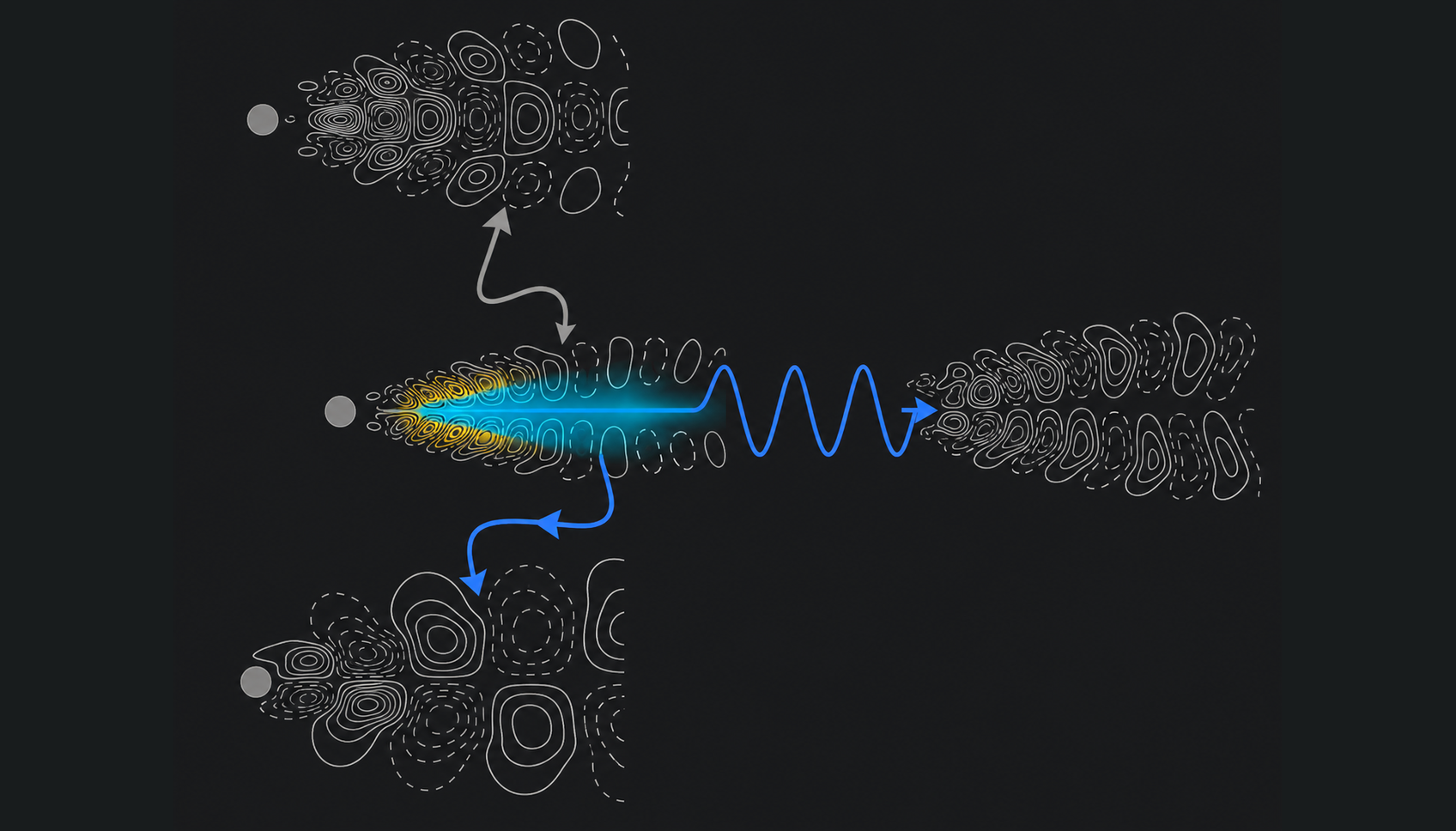
Nonlinear spectral momentum and energy transfer
Triadic interactions among three wave components form complex networks across scales, challenging understanding and model reduction. We introduce Triadic Orthogonal Decomposition (TOD) to identify coherent flow structures that optimally capture spectral momentum transfer, quantify their coupling and energy exchange, and reveal the regions where they interact:
• Donor–Catalyst–Recipient interpretation
• Energy-ranked momentum coupling and exchange
• Direction, magnitude, and structure of transfer
• Flow instability, ROMs, flow control, and related applications
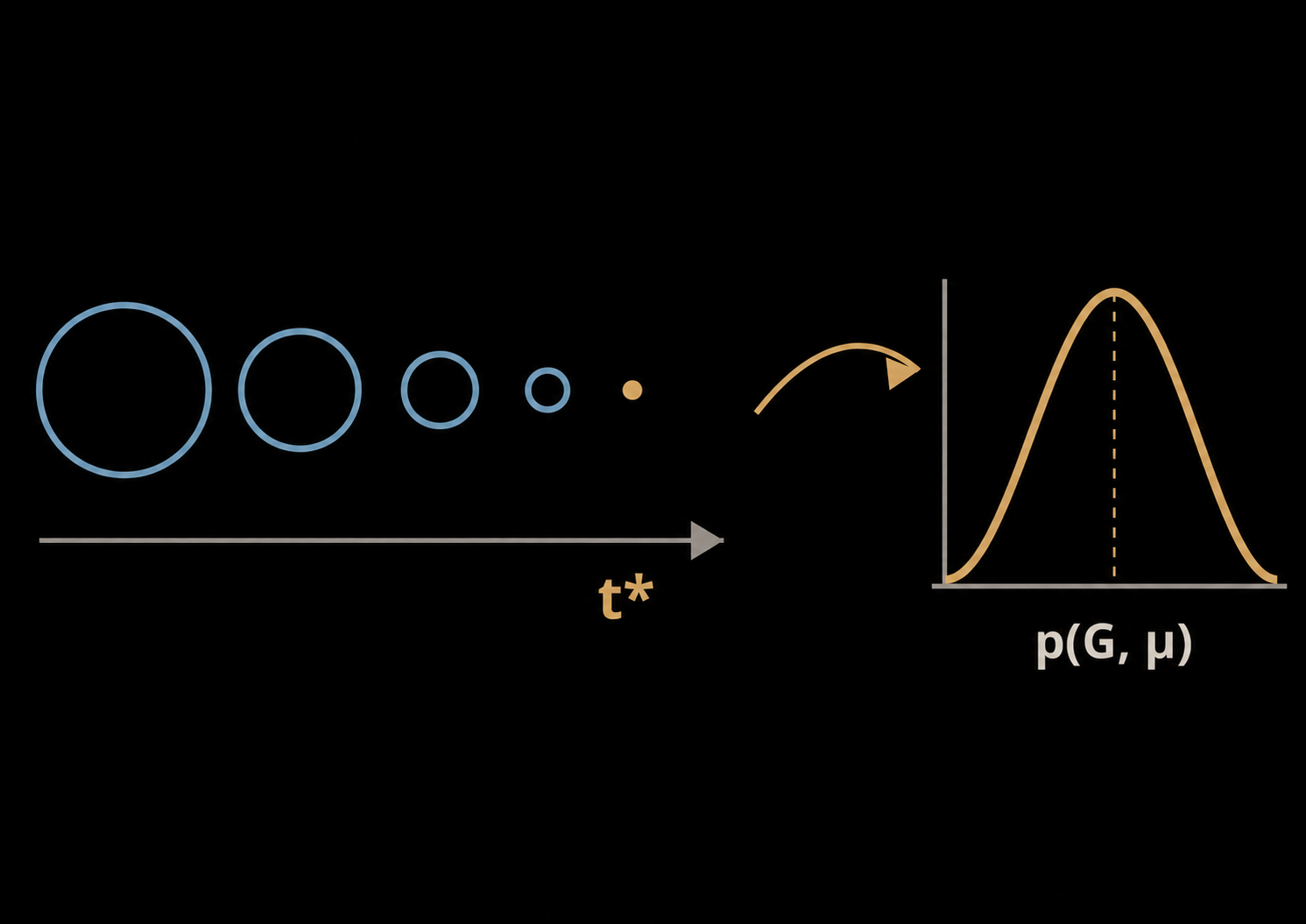
Bayesian sequential feedback loops for Rheometry
Near-real-time soft-material characterization via bubble-collapse estimators, paired with affordable Bayesian optimal experimental design (BOED), and data assimilation (DA). This framework enable efficient recovery of material properties, uncertainty-aware model selection, and adaptive refinement of experimental protocols:
• Collapse-time IMR estimator for viscoelasticity
• BOED strategies for identifying the most informative measurements
• Local-RBF surrogates for affordable Bayesian EIG
• DA-based inference for systematic selection and refinement of governing models
• Therapy-relevant parameter recovery for cavitation-mediated applications
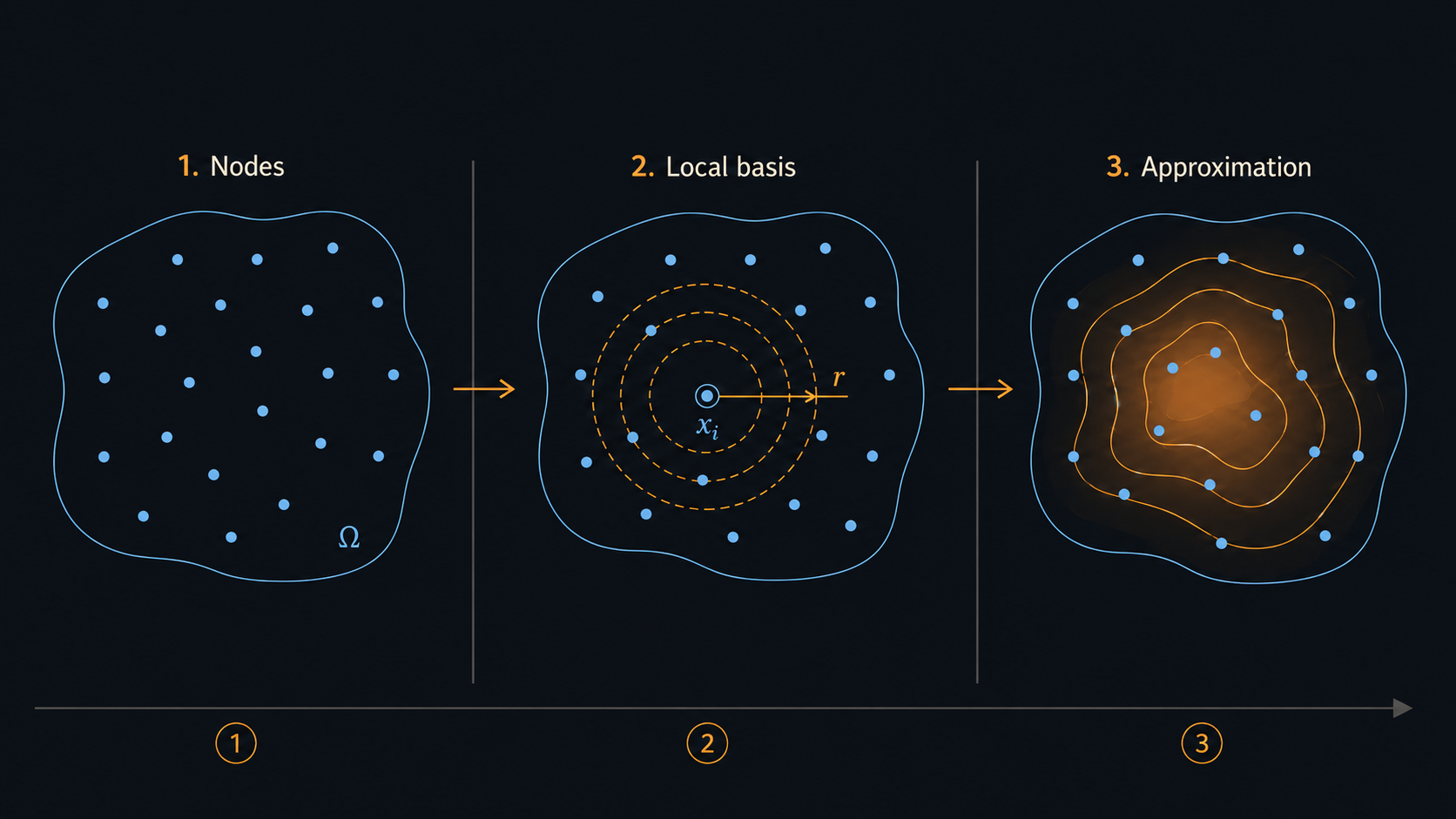
Meshfree computational methods
Radial basis functions (RBF)-based discretizations have emerged as a viable alternative to established approaches for computational fluid dynamics (CFD). Their mesh-free discretizations on scattered nodes make them especially well-suited for unstructured domains, intricate geometries, and even probabilistic sampling. We have developed RBF-based frameworks for:
• Semi-implicit fractional-step, scattered-but-staggered solvers for the incompressible Navier–Stokes equations
• Large-scale hydrodynamic stability analyses involving large eigenvalue problems
• Accelerated Bayesian optimal experimental design (BOED) algorithms
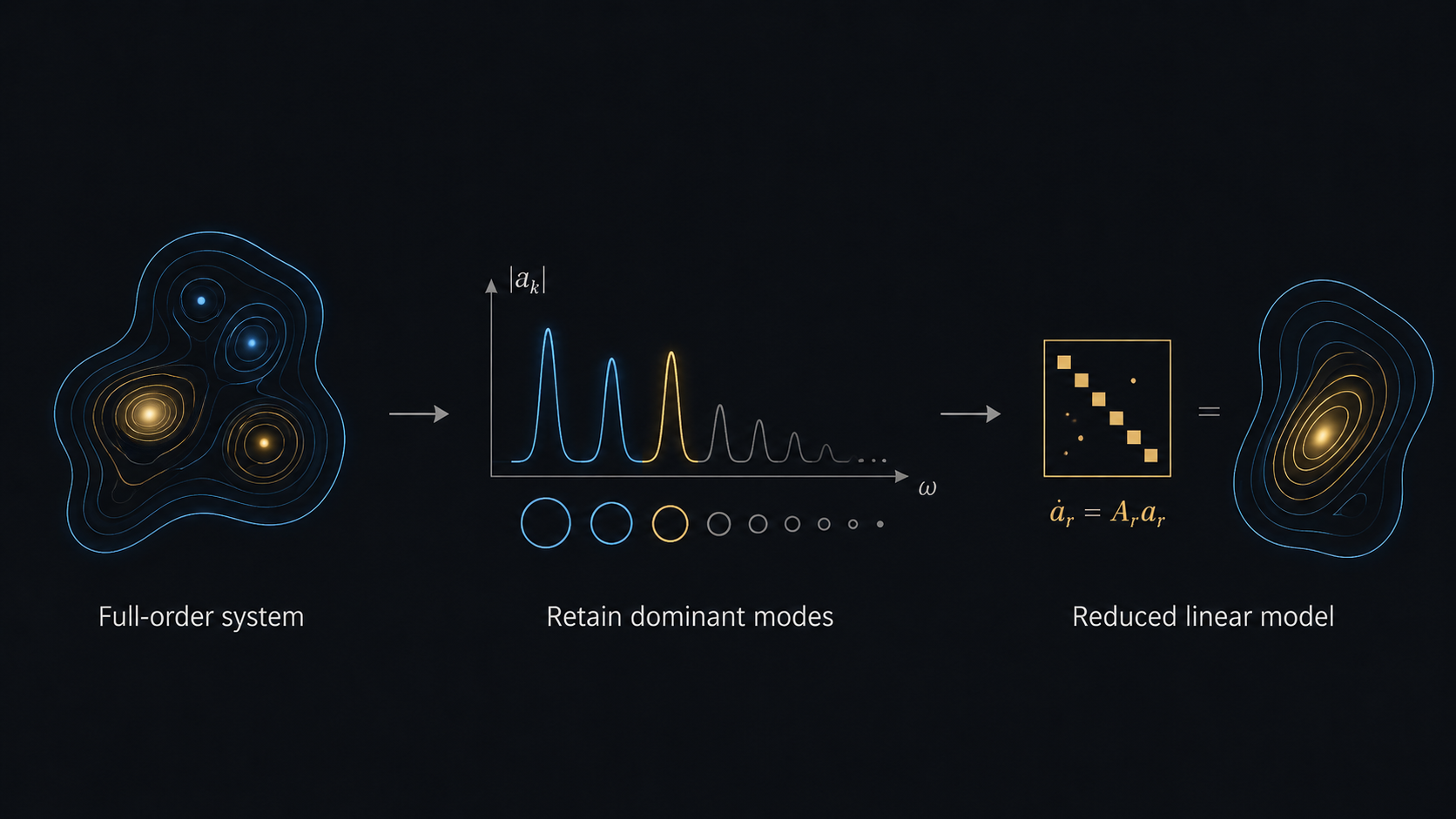
Linear spectral model-order reduction
Real-time prediction and control remain a major challenge for high-speed turbulent flows. We develop two linear stochastic reduced-order models (ROMs) to enable rapid forecasting and decision-making for broadband turbulent flows. These models forecast short-term transient dynamics while preserving long-term statistical properties, reducing computational cost and enabling efficient analysis of large-scale datasets:
• Operator-based Galerkin projection: Stochastic two-level SPOD-Galerkin model
• Data-driven time-delay Koopman approach: Stochastic Low-dimensional Inflated Convolutional Koopman (SLICK) model
Multi-fluid interface instability
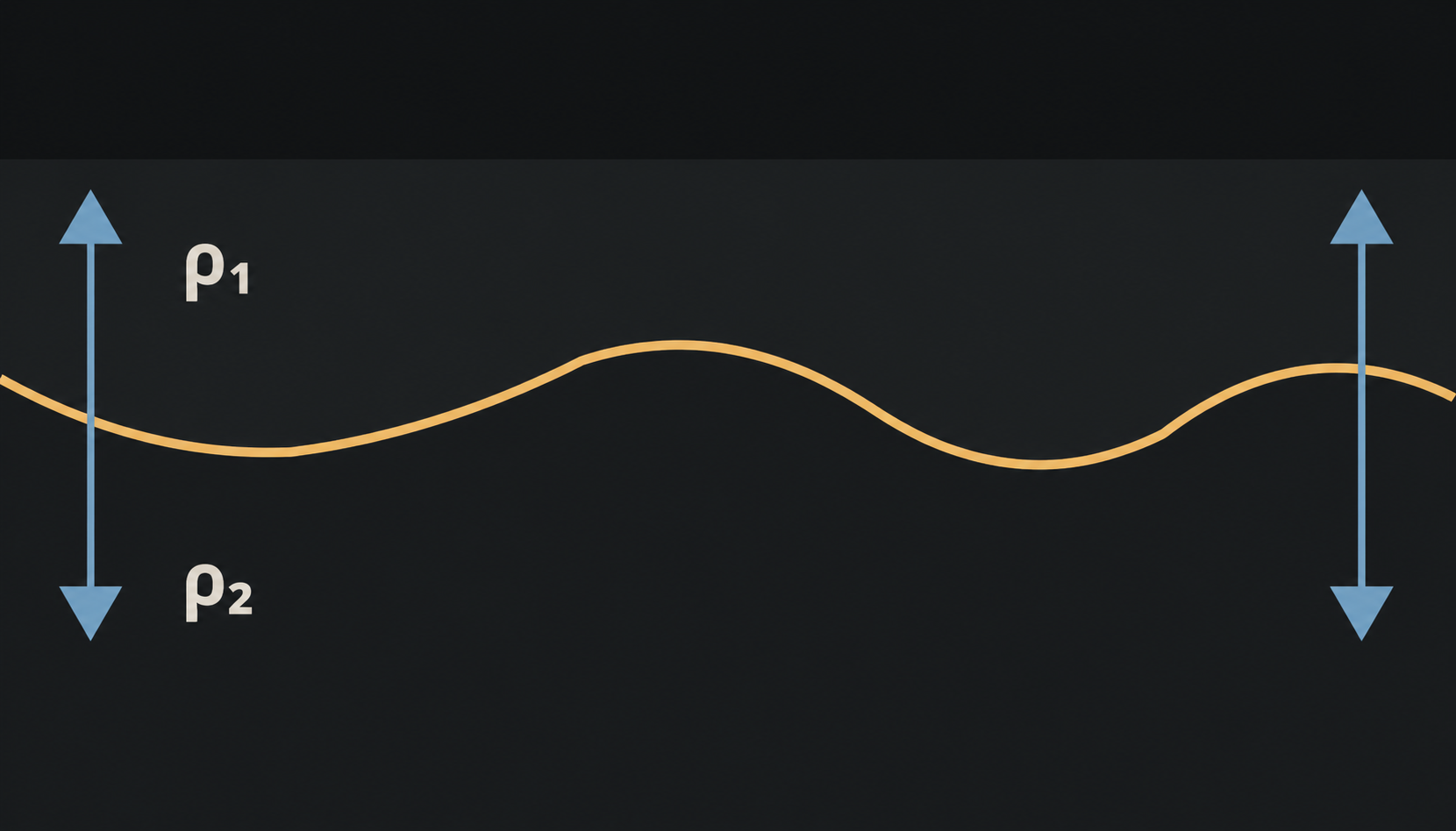
Competition between Rayleigh–Taylor and Faraday mechanisms at density-contrast interfaces produces multi-modal regimes, sharp transitions, and breakup maps under vibration — with implications for mixing, atomization, and near-surface gas transport:
• Floquet/modal analysis of regime transitions and onset
• Direct numerical simulation through nonlinear breakup
• Mixing control in layered and multi-species flows
Acoustically-driven slit
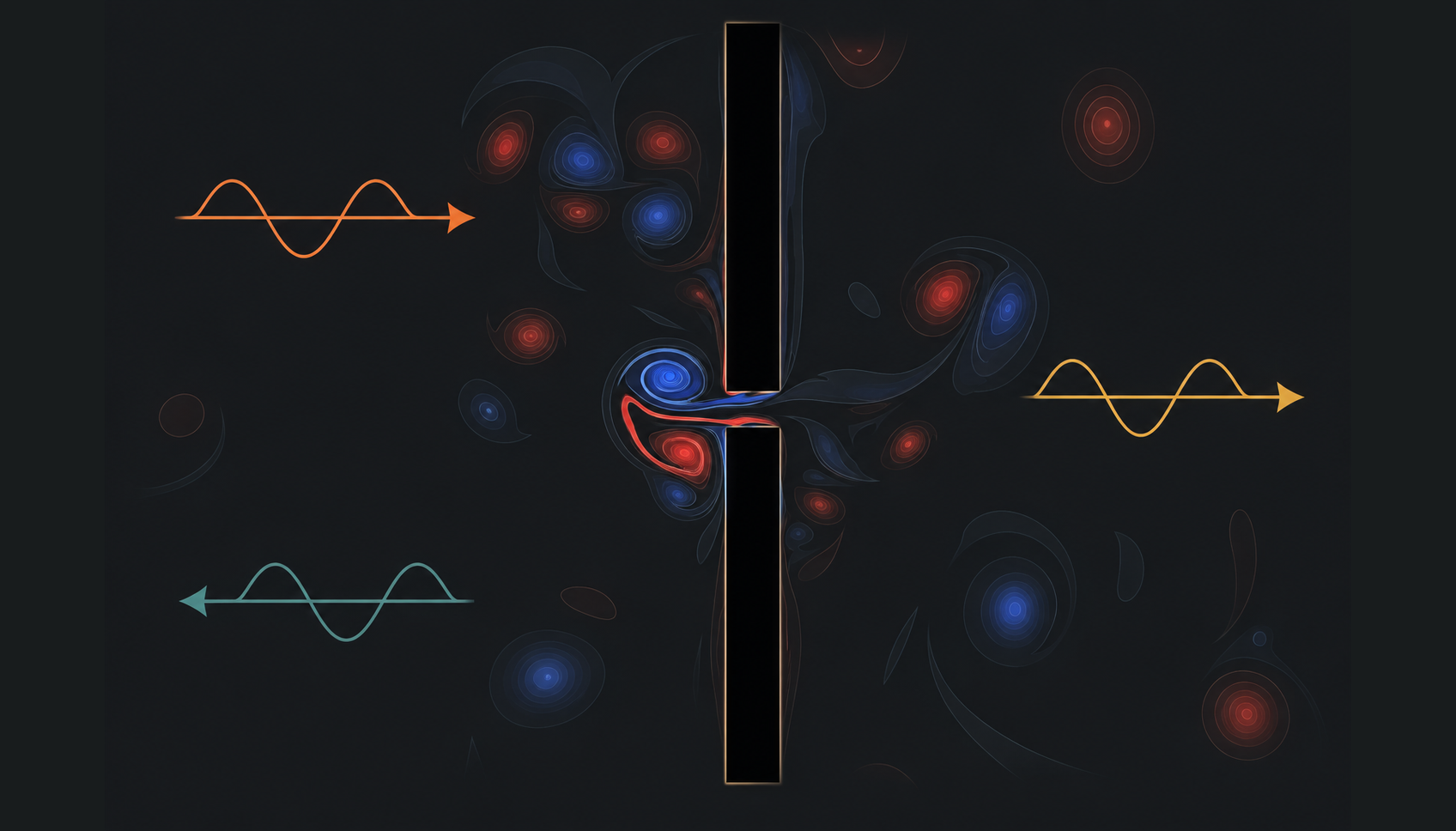
We quantify how incident acoustic energy is dissipated for a plane-wave passing through a slit geometry. We construct energy-raked, mode-by-mode fields for spectral kinetic energy and viscous loss components. The KE–VL spectra describe parameter regimes that enhance or suppress acoustic damping in slit geometries, providing a physically interpretable basis for acoustic-based design:
• Broad parameter space in incident sound pressure level, Strouhal number, and Reynolds number
• Vortex shedding at high incident sound amplitude, vortical motion-dominant absorption
• Attached boundary layers at low incident sound amplitude, viscous-dominant absorption